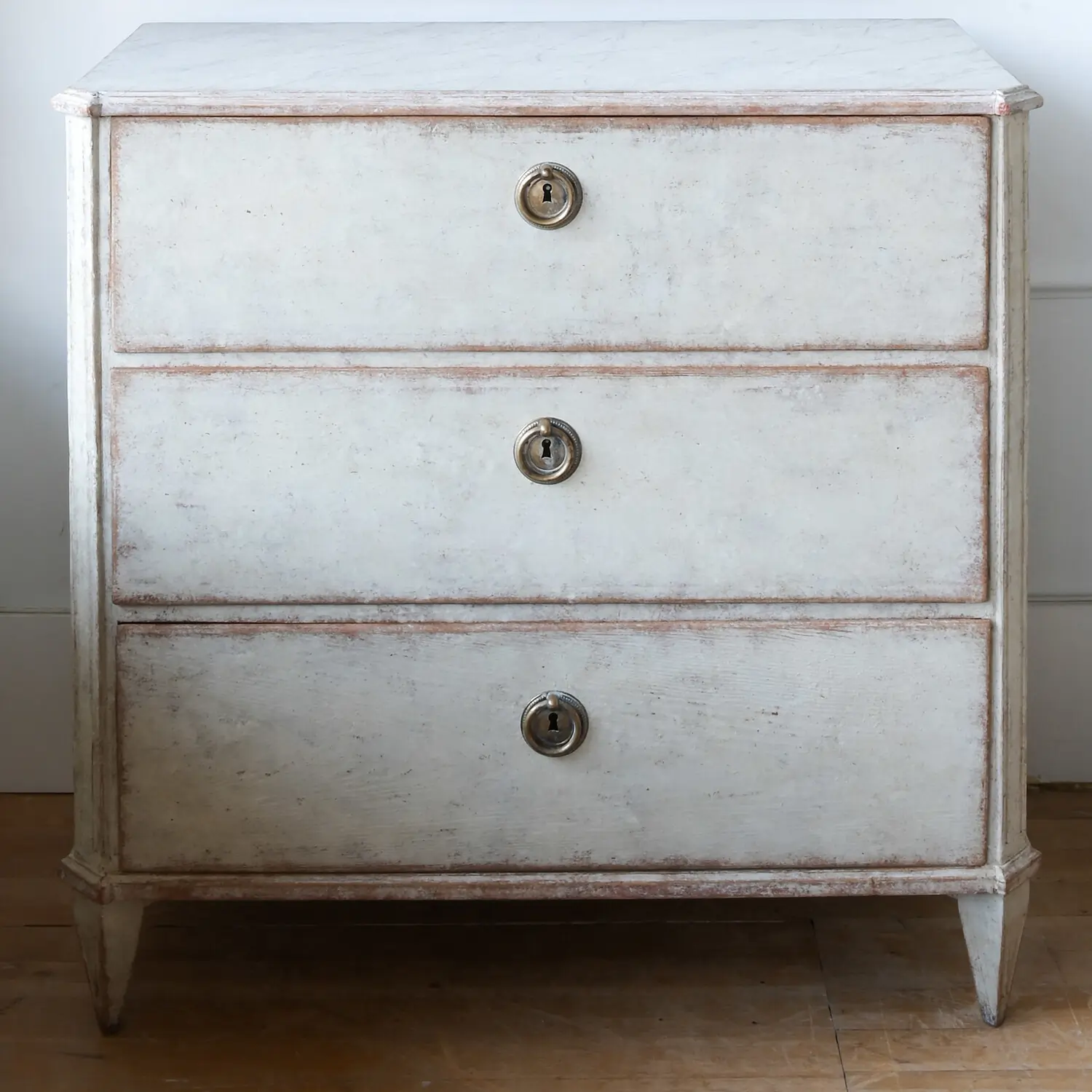
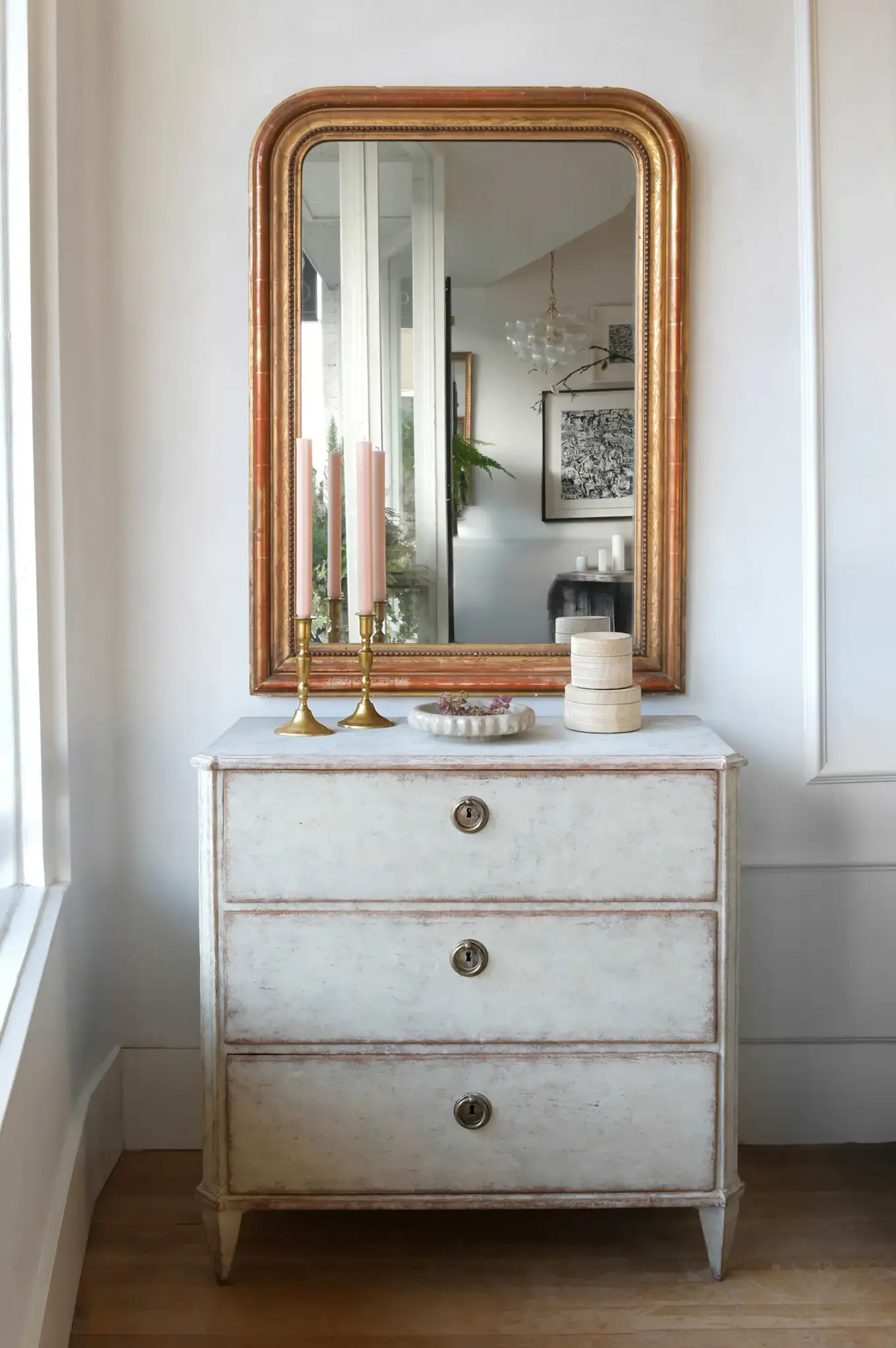
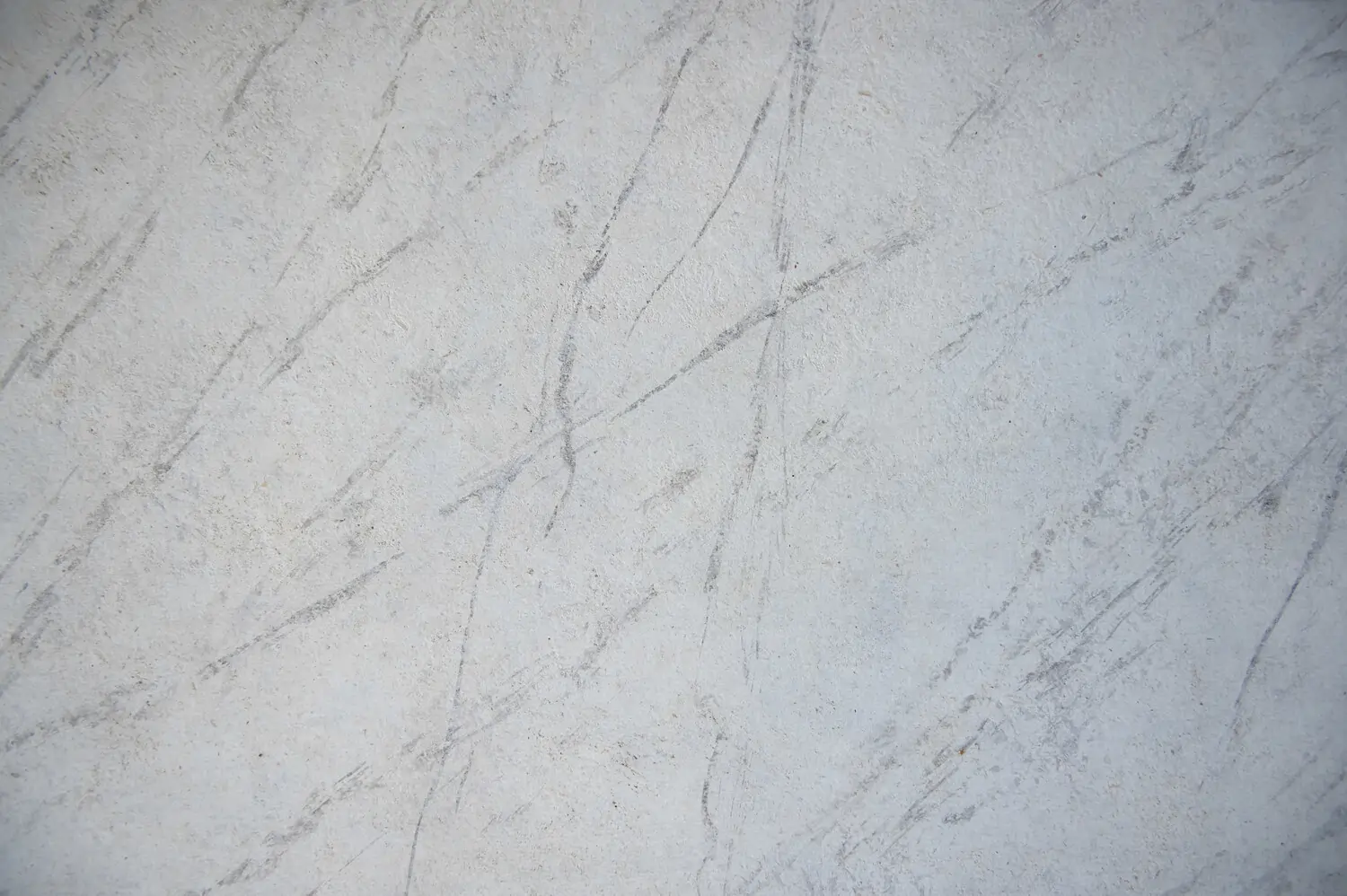
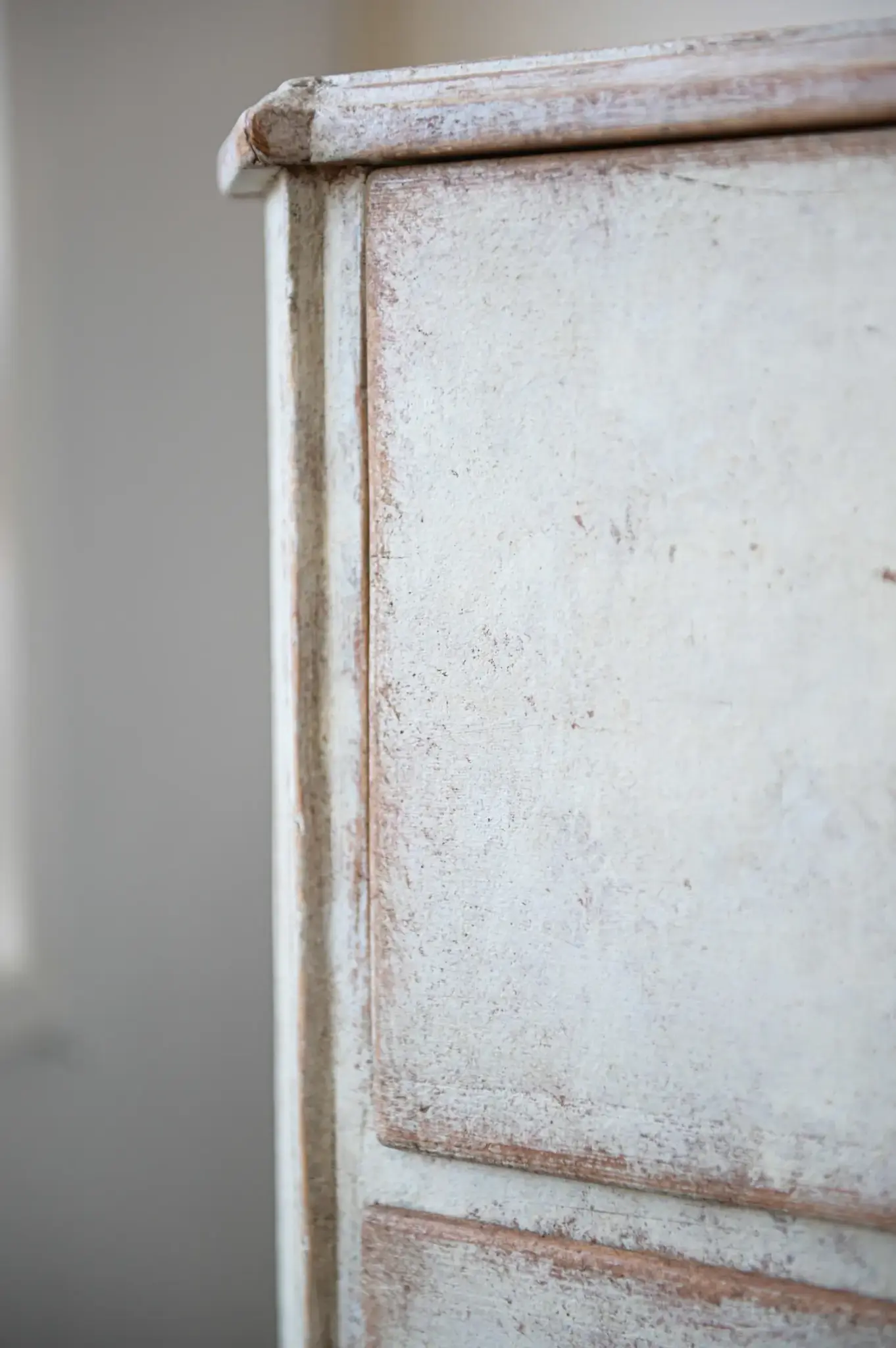
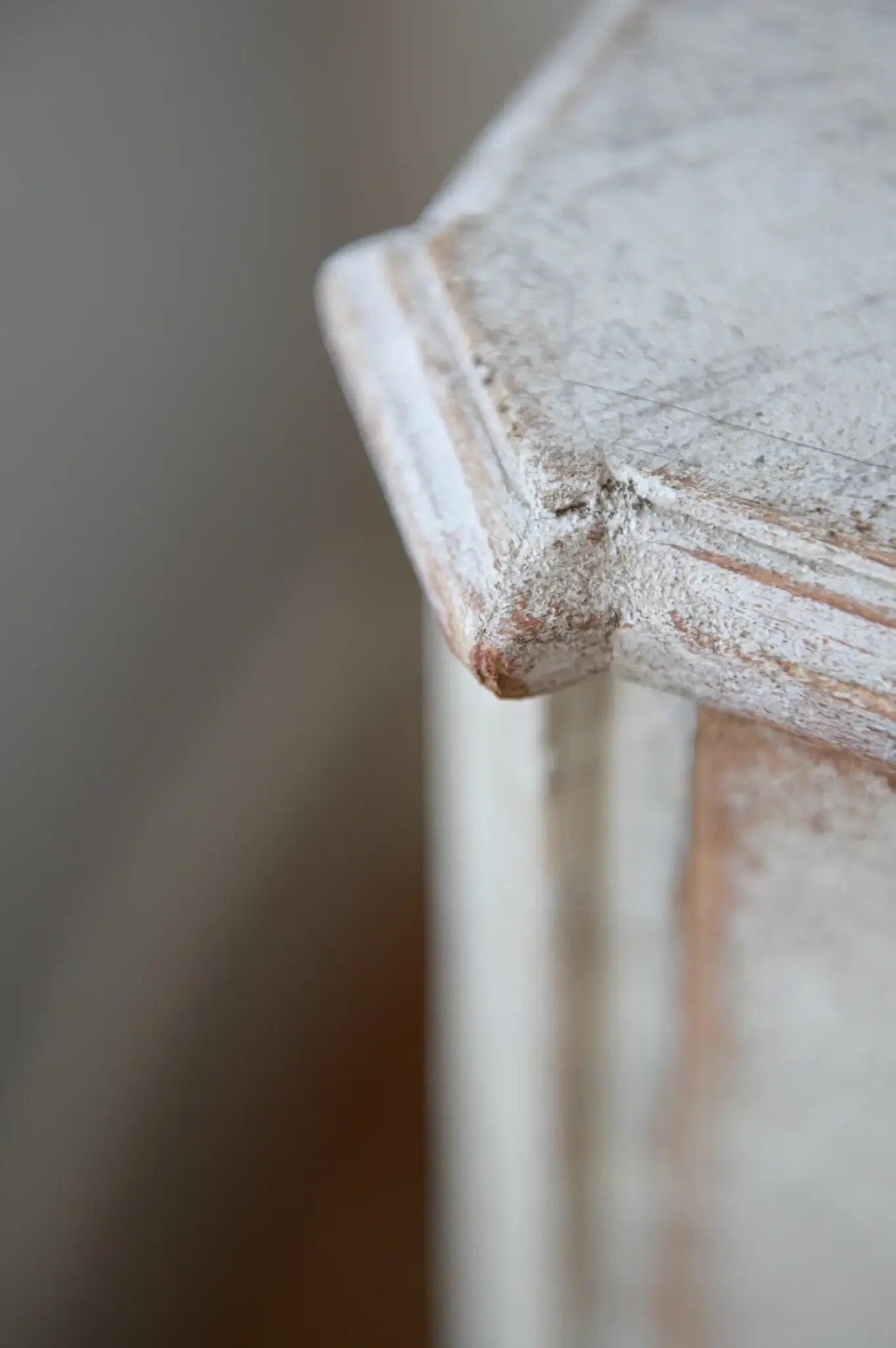
- Swedish Gustavian chest of drawers finished in a soft white tone. The piece is topped with a faux marble and detailed with a serrated decorative strip beneath the top. Chamfered corners with subtle milled detailing emphasize its clean, architectural form.
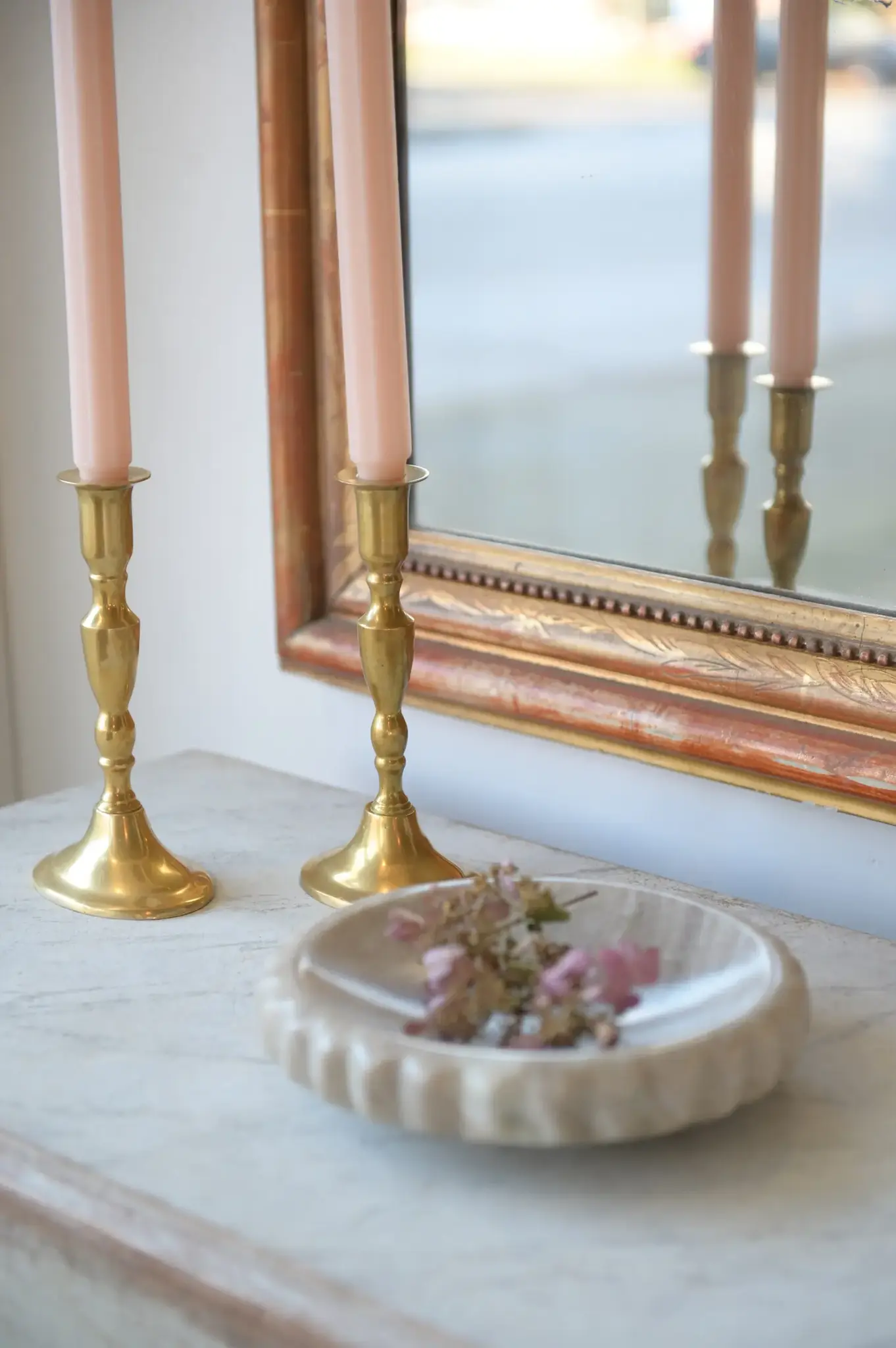
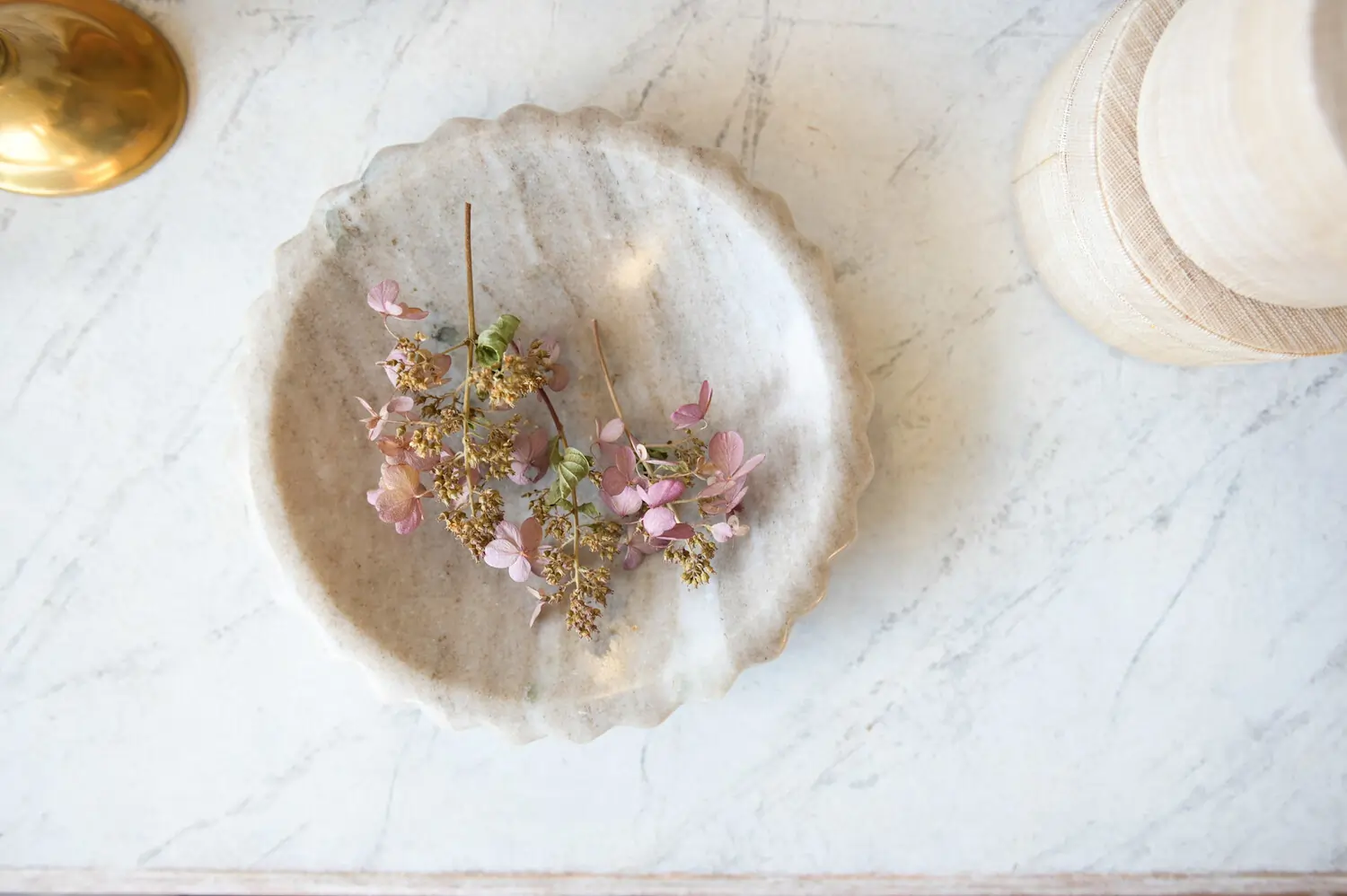
- Hand-painted faux marbling was used on antique furniture to replicate marble. Originally practical in nature, surviving examples are now prized by collectors for their craftsmanship, character, and beautifully aged surface. A Gild & Co. favourite.
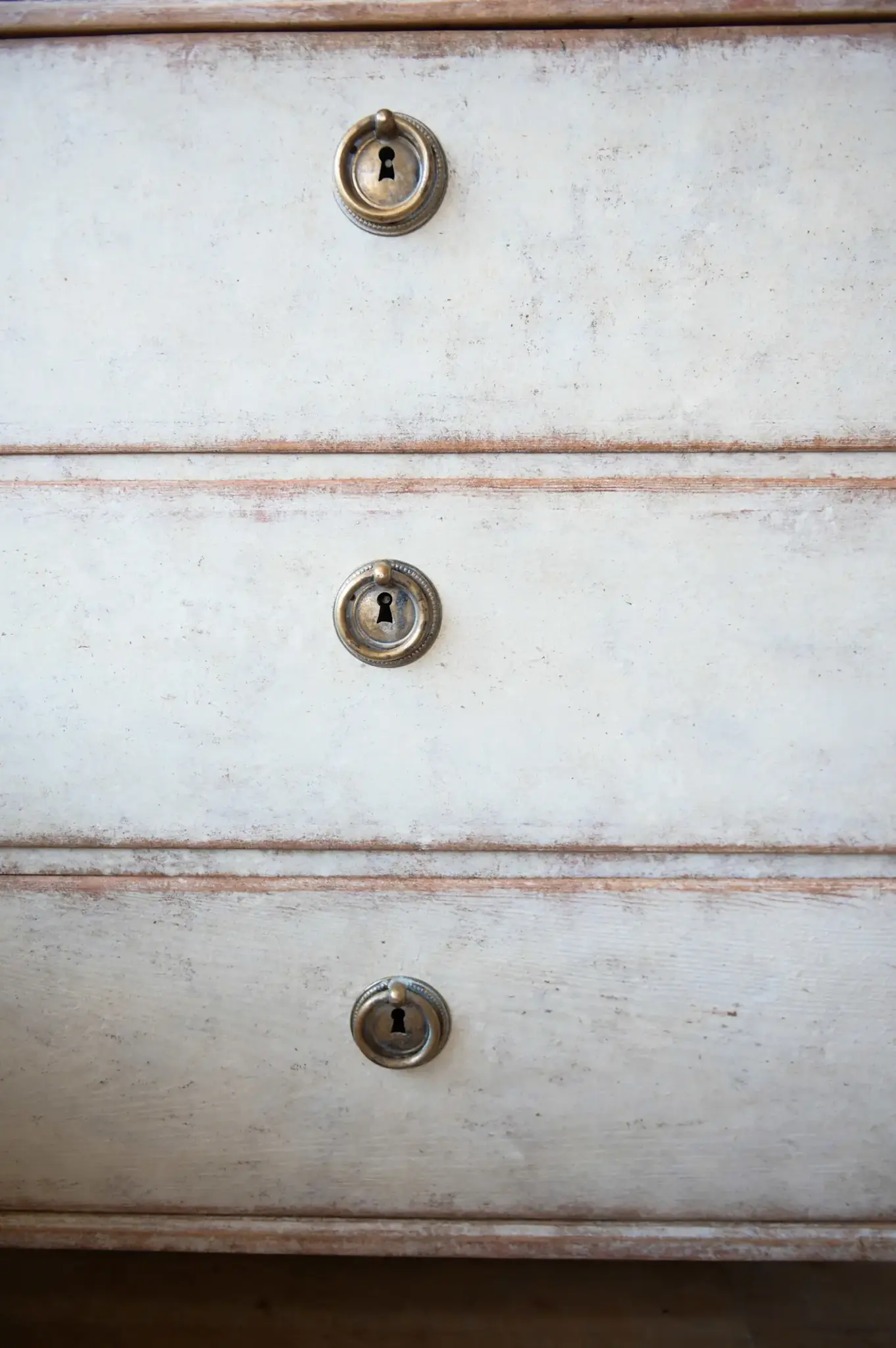
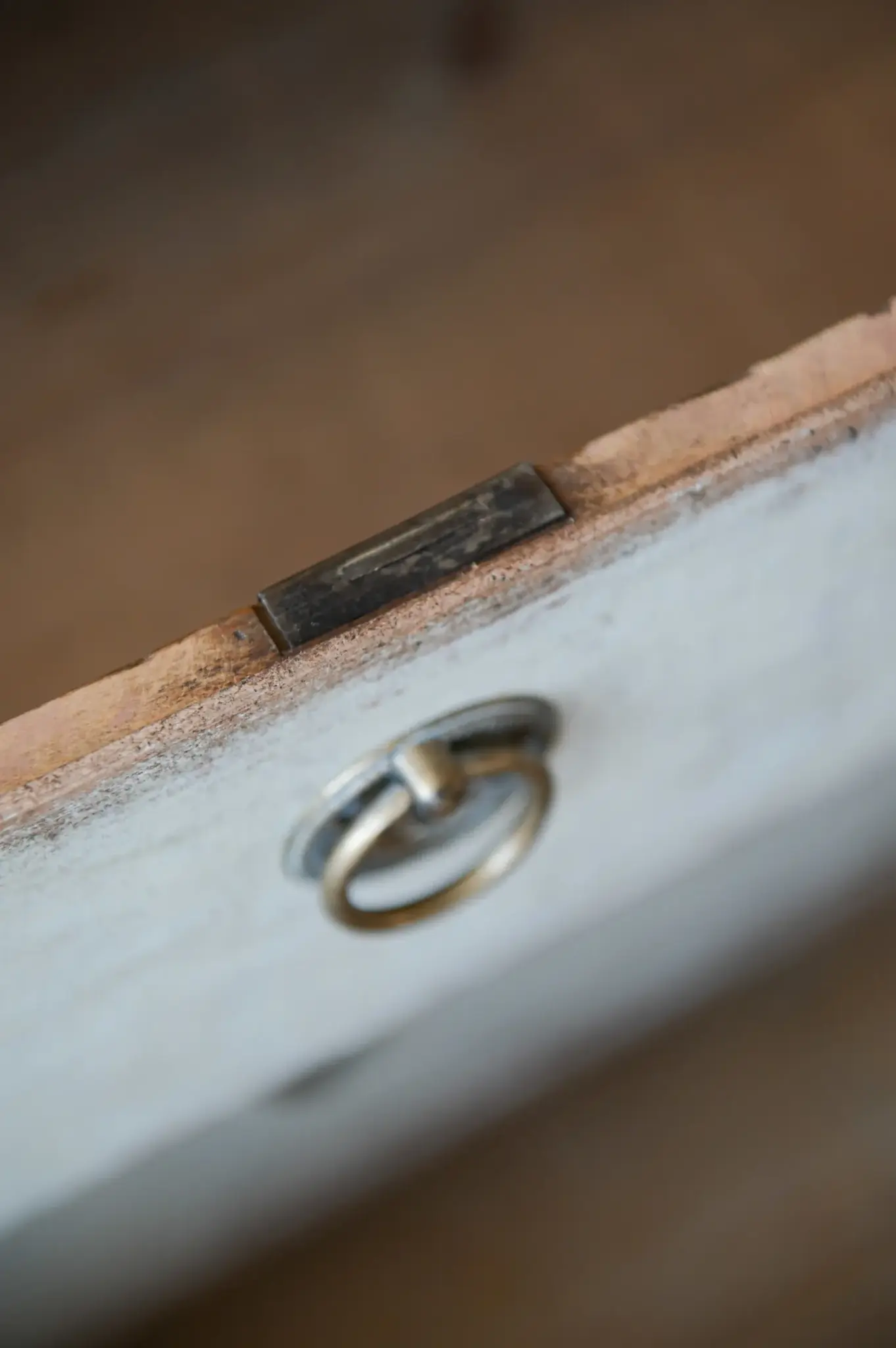
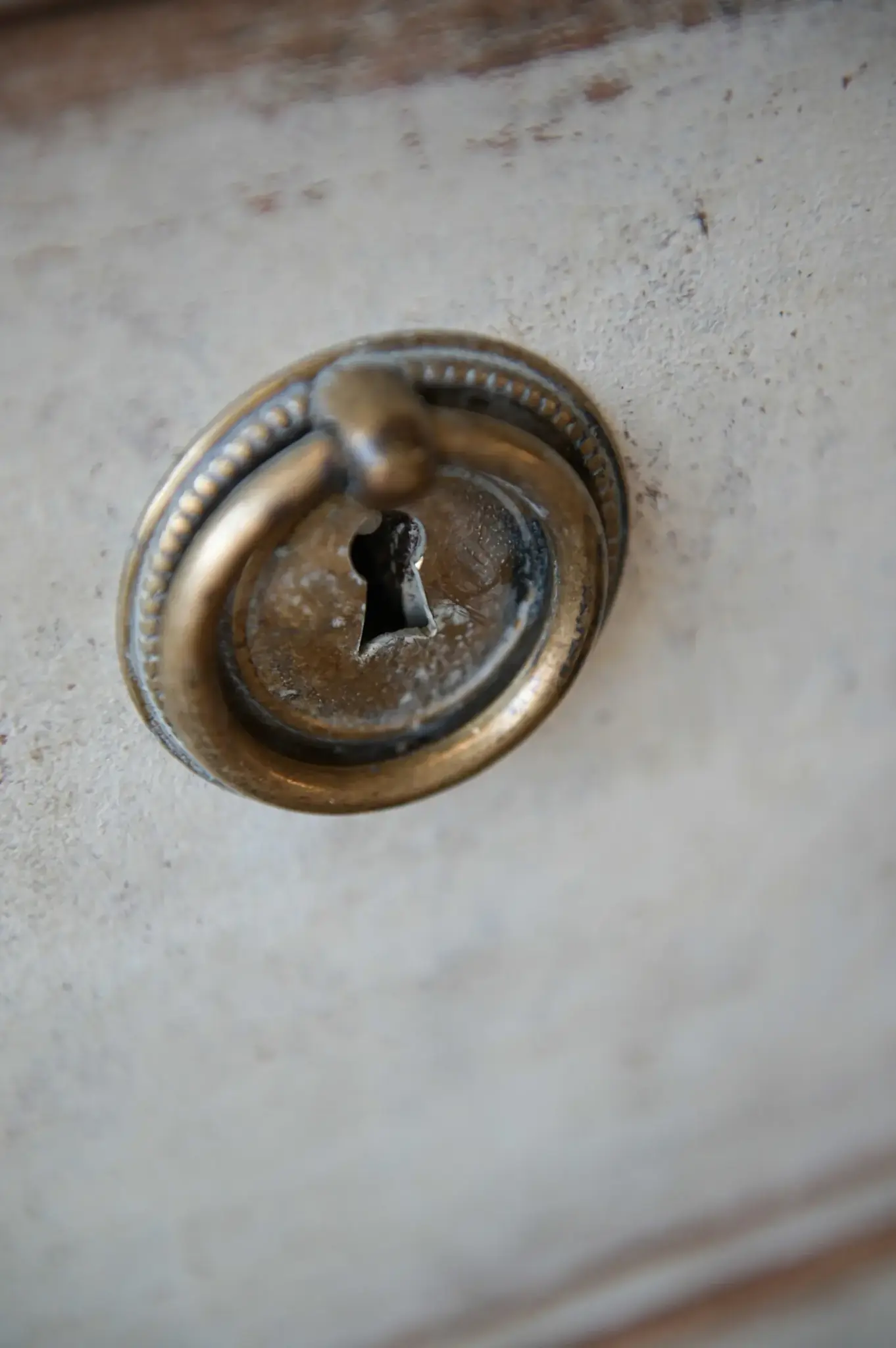
- The drawers retain their original locks, though the key is missing. A single central brass pull adds a restrained accent. Raised on classic legs tapering gently toward the floor.
- Material: solid wood - painted pine, and brass.
- Circa 1840–1860.
- Dimensions: 80.5 x 83.5 x 38 cm (31.7” x 32.9” x 15”).
- In good antique condition. Wear consistent with age and use.
- Sourced in Sweden.
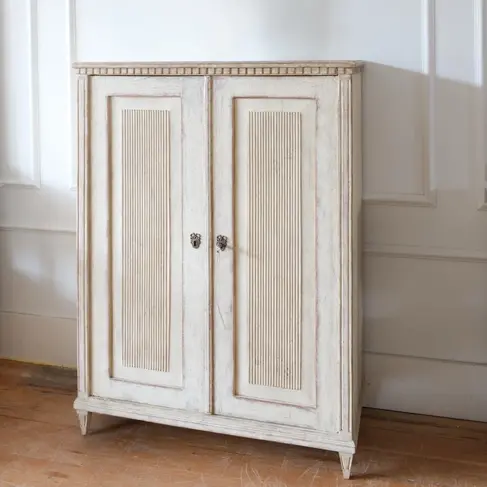
Swedish antiques are known for their refined Gustavian style, soft painted finishes, and understated elegance. Pieces like this antique Swedish corner cabinet bring timeless Scandinavian charm to interiors, pairing beautifully with both traditional and modern homes.
Popular in coastal, farmhouse, and European-inspired interiors, Swedish furniture offers graceful proportions, practical storage, and historic craftsmanship that has remained sought after for centuries.
About Gustavian Furniture
Gustavian furniture emerged in Sweden in the late 18th century during the reign of King Gustav III, who introduced French neoclassical design to Scandinavia after visiting the court of Louis XVI. The style is defined by clean lines, elegant proportions, tapered legs, and restrained decoration, creating a refined yet understated aesthetic.
Unlike the richly veneered French originals, Swedish craftsmen often used locally available pine and finished it with painted surfaces in pale whites, greys, and soft blues, giving Gustavian furniture its distinctive light Scandinavian character.